
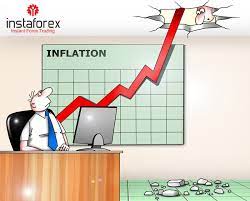
My inner economic nerd is busting to get out and ask Michelle Bullock why the Reserve Bank of Australia (RBA) is so determined to bring down “sticky” core inflation, when it is so obvious to everyone that headline inflation is on the downward trend and we have no control over the areas that are causing “sticky” inflation!
But 1st a brief economics lesson on the terms, what makes up the different inflation measures and what tools the RBA could use.
**1. Headline Inflation vs. Core Inflation:**
**Headline Inflation:** This measures the overall increase in the prices of goods and services, including everything from food and energy to housing and transportation. It’s a broad measure and can be influenced by temporary factors like fluctuating fuel costs. Typically including more areas of discretionary spending.
**Core Inflation:** Core inflation, on the other hand, focuses on the underlying, persistent inflation trends by excluding the most volatile and temporary price changes, like food and energy costs. I’ve mentioned a lot of what is included in the core inflation areas in the next paragraph below.
The RBA pays attention to core inflation because it gives a better indication of the economy’s health.
**2. Significant Contributors To Core Inflation (September 1/4, 2023):**
Fuel Costs: These can be volatile due to changes in global oil prices, and they have a significant impact on transportation costs, which affect many aspects of our lives.
Rental Costs: Housing is a fundamental necessity, and rental costs are relatively stable and essential for people’s well-being.
Rising House Prices: While this doesn’t affect day-to-day spending, it’s a critical indicator of financial stability and can contribute to people’s sense of well-being.
Electricity Costs: Electricity is essential, and its price stability is important for households and businesses to plan their budgets.
**3. These Areas Are Not Discretionary:**
But areas like housing, electricity and home price rises and rental increases are not discretionary – they are fundamental to our well-being and daily life. You can’t cut back on housing price rises. And not using electricity to run heaters or air conditioners can have significant health consequences for more mature Australians. People have limited flexibility to adjust these rising costs.
**4. What Could The RBA Do To Bring These Areas Under Control:**
Housing Affordability: The government can implement policies to encourage the construction of more affordable housing, such as providing tax incentives to developers, streamlining regulatory processes, or increasing funding for public housing.
Energy Efficiency: Promoting energy-efficient technologies and renewable energy sources can help reduce electricity costs in the long term. Incentives for energy-efficient appliances and housing improvements can be beneficial.
Transportation Alternatives: To mitigate the impact of fuel costs, the government can invest in public transportation infrastructure and promote alternative fuels or electric vehicles, reducing reliance on fossil fuels.
**5. What Tools Does The RBA Have At It’s Disposal To Reduce Core Inflation:**
Monetary Policy: The RBA can adjust interest rates to influence core inflation. Lower rates can stimulate economic activity, while higher rates can cool it down. At what point does lifting interest rates become useless? Some will remember when home loan rates in Australia in the late 80’s hit 17.75% then “the recession we had to have” – thank you Paul Keating!
Fiscal Policy: The government can use its budget to impact core inflation through spending and taxation policies. For example, they can increase investment in housing or offer tax incentives for energy-efficient technologies. But we don’t hand down budgets as often as the RBA has Monetary meetings.
Supply-Side Policies: Encouraging competition and productivity in sectors like housing and electricity can help control price increases. The recent wage rise that was handed out to over 5 million Australians didn’t request any productivity gains – it just fed inflation.
Regulation and Oversight: Regulators can monitor these sectors and ensure they operate fairly and efficiently, which can help prevent excessive price hikes. Electricity prices went through the roof over the past 6-9 months hence the National Energy Bill Relief Package announced in the budget and cost of living handout coming in June 2024.
In summary, the RBA focuses on core inflation because it gives a more stable and accurate reflection of the economy’s underlying health. There is chat about a recession so the RBA has to tread carefully that they don’t increase rates too high too quickly just to bring housing, electricity, and fuel costs under control. They are restricted in the combination of policy measures, including housing affordability initiatives, energy efficiency promotion, and transportation alternatives, that can be effective. Monetary policy is the most rapid and efficient of all the tools but care must be taken to not increase them too high so that we can have a “soft landing” and not a deeper recession.